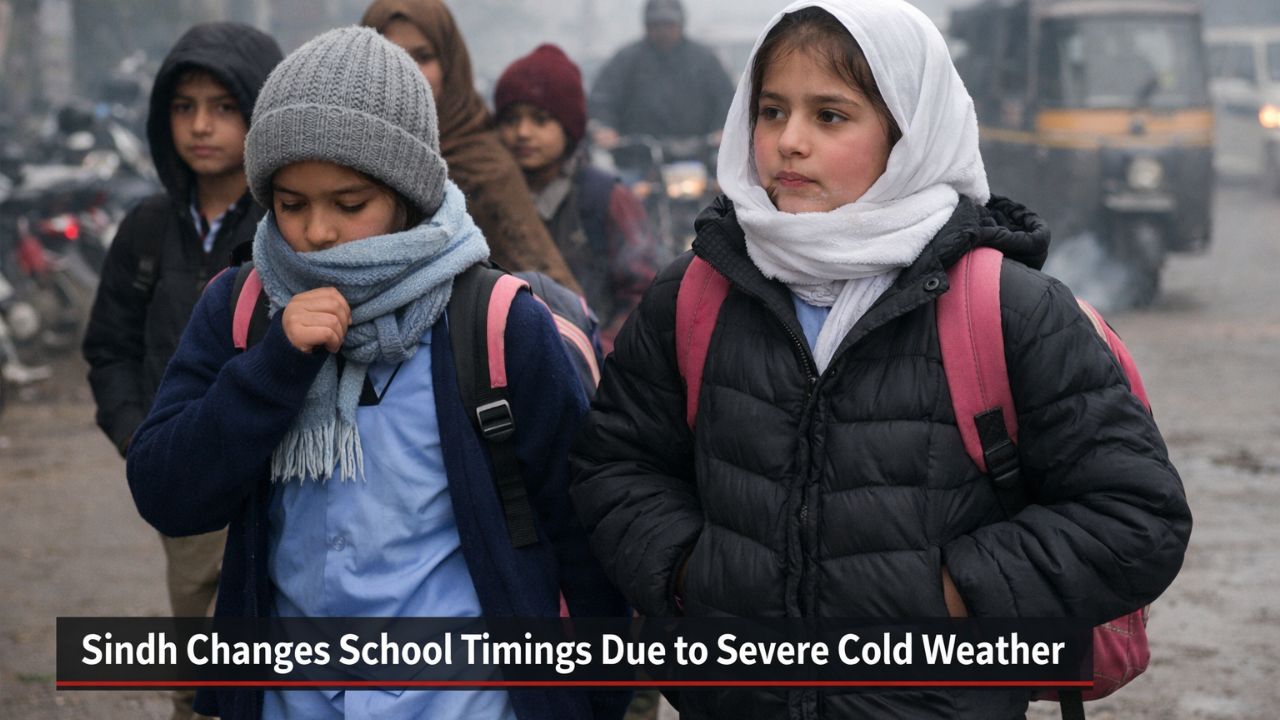
Sindh changes school timings across the province as authorities respond to an ongoing cold wave affecting early morning routines. The revised schedule aims to protect students from harsh temperatures while ensuring academic continuity during winter.

As winter conditions worsen in many regions, education departments across Pakistan are taking precautionary steps. In Sindh, the government has opted for adjusted school hours instead of extended closures, balancing student safety with uninterrupted learning.
Why Sindh Changes School Timings During Winter
The decision to revise school hours comes as temperatures continue to drop, especially during early mornings. According to officials, younger students are most vulnerable to cold-related illnesses, making early travel to schools risky.
By delaying school opening times, the Sindh government aims to:
- Reduce students’ exposure to extreme morning cold
- Minimize health risks such as flu, fever, and respiratory issues
- Ensure safer commuting conditions
- Maintain academic schedules without full closures
This proactive move reflects a student-first approach during challenging seasonal conditions.

Official Notification by the Sindh Education Department
According to a notification issued by the Sindh Education Department, all public and private schools across the province must follow the updated winter schedule.
Key Highlights of the Notification
- New school opening time: 9:00 AM
- Closing time: Remains unchanged
- Applicability: Public and private schools
- Effective from: Monday
- Valid until: January 26
The directive applies uniformly to urban and rural areas, ensuring consistency across the province.
How the New School Timings Impact Students and Parents
When Sindh changes school timings, the effects extend beyond classrooms. Parents, teachers, and transport providers must also adjust their routines.
Benefits for Students
- More rest during cold mornings
- Reduced risk of illness
- Improved focus and classroom performance
Relief for Parents
- Less stress managing early-morning school runs
- Better coordination with work schedules
- Increased confidence in children’s safety
Adjustments for Schools
- Minor timetable reshuffling
- Coordination with transport services
- Communication with parents and staff
Overall, the change has been widely welcomed as a practical and considerate measure.

Weather Conditions Driving the Decision
Meteorological reports indicate that several regions of Sindh are experiencing colder-than-usual temperatures. Morning fog, chilly winds, and low visibility have further complicated early travel for students.
Education officials emphasized that the decision will remain under review, and further extensions or adjustments may be announced if weather conditions worsen.
Sindh vs Punjab: Different Approaches to the Same Problem
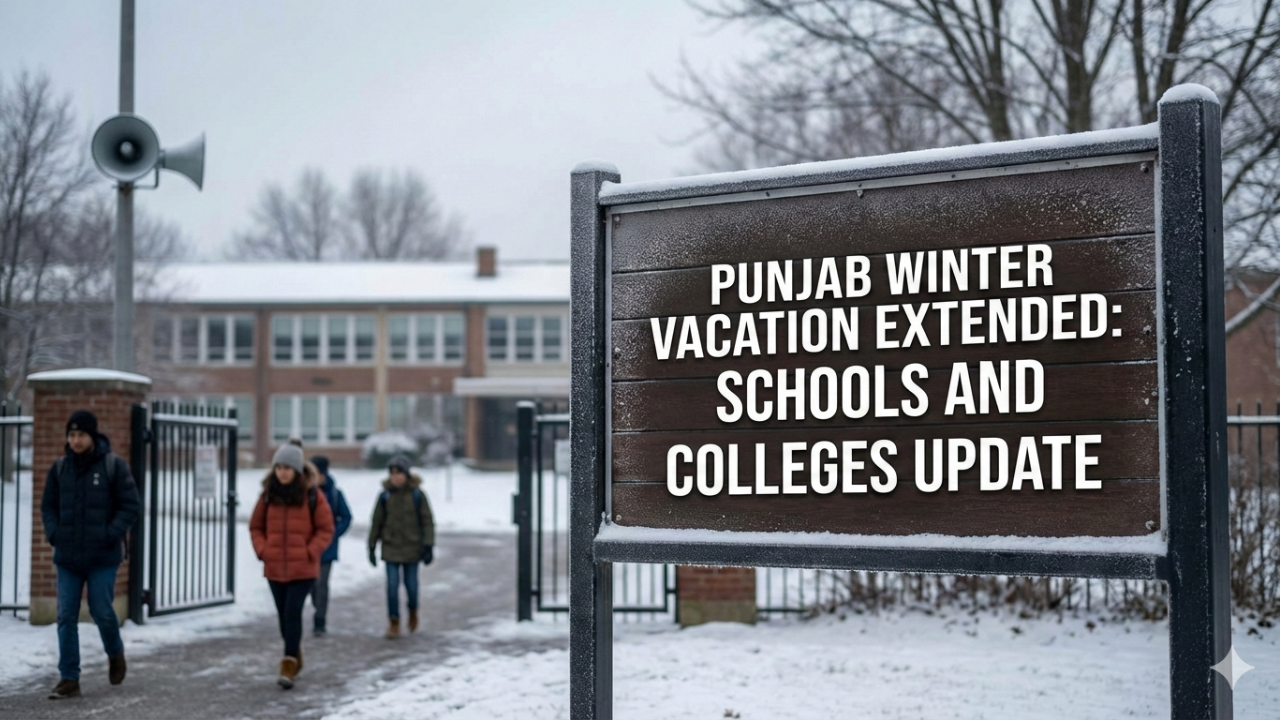
While Sindh changes school timings, neighboring Punjab has adopted a more stringent policy to address the cold wave.
Punjab’s Winter Strategy
- Extended winter vacations
- Temporary closure of educational institutions
- Focus on complete elimination of cold exposure
Sindh’s Balanced Approach
- Delayed opening hours
- Schools remain operational
- Academic calendar stays intact
Both provinces prioritize student safety, but their strategies reflect regional weather severity and administrative preferences.

Why Sindh Chose Timings Adjustment Over School Closures
Unlike Punjab, Sindh’s temperatures, though cold, remain manageable during daytime hours. Authorities believe that adjusting school timings achieves the same safety goals without disrupting education.
Key reasons include:
- Avoiding syllabus delays
- Preventing learning gaps
- Reducing pressure on examination schedules
- Maintaining routine and discipline for students
This approach aligns with global best practices for managing winter conditions in education systems.
Guidelines for Schools During Revised Timings
Schools are advised to implement the updated schedule smoothly and responsibly.

Recommended Measures
- Inform parents through official channels
- Adjust transport pickup times
- Allow flexibility for late arrivals during extreme weather
- Ensure classrooms remain adequately heated
By following these steps, schools can ensure compliance while prioritizing student well-being.
Will the School Timings Be Extended Further?
Education authorities have clarified that the revised schedule will remain in effect until January 26, subject to weather conditions.
If temperatures drop further:
- The duration may be extended
- Additional measures could be introduced
- Schools may receive updated notifications
Parents and schools are encouraged to stay updated through official announcements.

Public Response to the Decision
Initial reactions from parents and educators suggest broad approval. Many see the decision as timely, sensible, and student-focused.
Common feedback includes:
- Appreciation for health-conscious planning
- Relief from early-morning cold exposure
- Support for keeping schools open
The move has strengthened trust between education authorities and the public.
Conclusion
As winter intensifies, Sindh changes school timings to ensure students remain safe without compromising education. The decision reflects thoughtful governance, balancing health concerns with academic responsibility.
By choosing adjusted hours instead of full closures, Sindh sets an example of adaptive policymaking—one that prioritizes children, supports parents, and maintains educational continuity during challenging weather conditions.