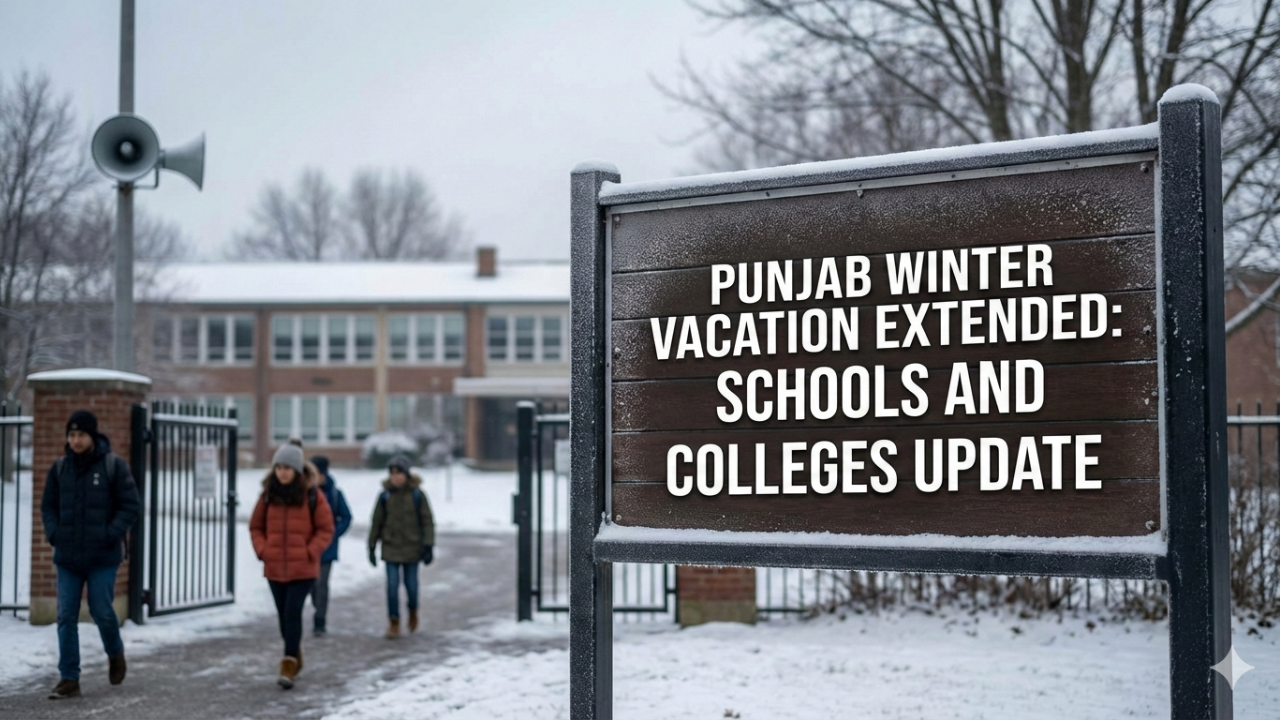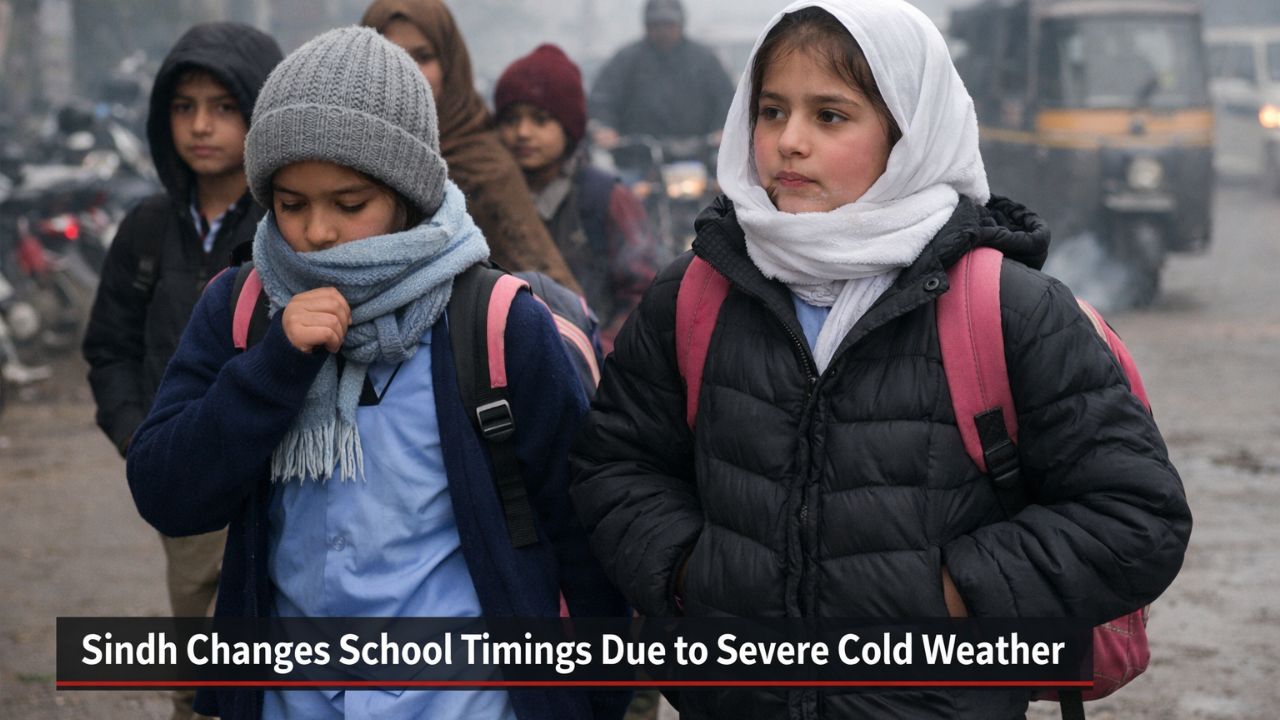
As winter temperatures continue to drop, students winter uniform relaxation has come as a much-needed relief for students across colleges. Severe cold weather was making it difficult for students to attend classes comfortably, especially during early morning hours. To address this issue, authorities have officially allowed flexibility in winter uniforms, ensuring students can protect themselves from harsh weather without fear of disciplinary action.

This decision prioritizes student health, comfort, and attendance during the ongoing cold spell.
Students Winter Uniform Relaxation Announced Due to Severe Cold
Keeping in view the increasing intensity of winter, the Directorate of Public Instruction (DPI) Colleges has issued an official notification granting students winter uniform relaxation.
According to the notification, students are now permitted to wear additional winter clothing beyond the standard uniform guidelines.

This step aims to ensure that students remain safe and warm while continuing their academic activities without interruption.
What Does Students Winter Uniform Relaxation Allow?
Under the new winter policy, students are allowed to wear multiple winter accessories without restriction on color or style.
Permitted Winter Clothing Items
Students can now wear:

- Sweaters of any color
- Coats and jackets
- Warm caps and beanies
- Socks and additional layers
This students winter uniform relaxation ensures students can choose clothing based on warmth rather than uniform limitations.
Why Students Winter Uniform Relaxation Was Necessary
Impact of Severe Cold on Students
Cold weather can seriously affect students’ health and academic performance. Common issues include:
- Flu and seasonal illness
- Difficulty concentrating in cold classrooms
- Increased absenteeism
The decision for students winter uniform relaxation reflects a student-centric approach focused on well-being rather than rigid dress codes.

Duration of the Students Winter Uniform Relaxation Policy
How Long Will This Relaxation Remain Active?
According to the official notice:
- The policy will remain effective until February 28
- It may be reviewed if cold conditions persist
This timeline ensures students remain comfortable throughout the peak winter season.
Benefits of Students Winter Uniform Relaxation
1. Improved Health and Safety
Allowing warm clothing reduces the risk of cold-related illnesses.

2. Better Attendance
Students are more likely to attend classes regularly when weather discomfort is reduced.
3. Stress-Free Learning Environment
Students can focus on studies instead of worrying about uniform violations.
The students winter uniform relaxation policy supports both physical comfort and mental peace.

Students’ Reaction to Winter Uniform Relaxation
Most students and parents have welcomed this decision positively. Many believe this flexibility was long overdue, especially during extreme winter mornings. Educational institutions have also been instructed to cooperate fully and avoid unnecessary strictness.
Will Students Face Any Restrictions?
Key Points to Remember
- Clothing should remain decent and appropriate for an academic environment
- The relaxation applies only due to cold weather
- Normal uniform rules may resume after February 28
This ensures discipline is maintained while still benefiting from students winter uniform relaxation.
Future Possibility of Similar Relief Measures
Educational experts suggest that such temporary relaxations should become standard practice during extreme weather conditions—whether cold or heat waves. The success of this students winter uniform relaxation may encourage similar student-friendly decisions in the future.
Conclusion
The announcement of students winter uniform relaxation is a timely and thoughtful decision that places student health above rigid regulations. By allowing sweaters, jackets, caps, and socks of any color until February 28, authorities have shown flexibility and responsibility during severe cold weather.
This move not only protects students from harsh temperatures but also promotes a healthier, more comfortable learning environment. If implemented smoothly, this policy sets a positive example for future education-friendly decisions.