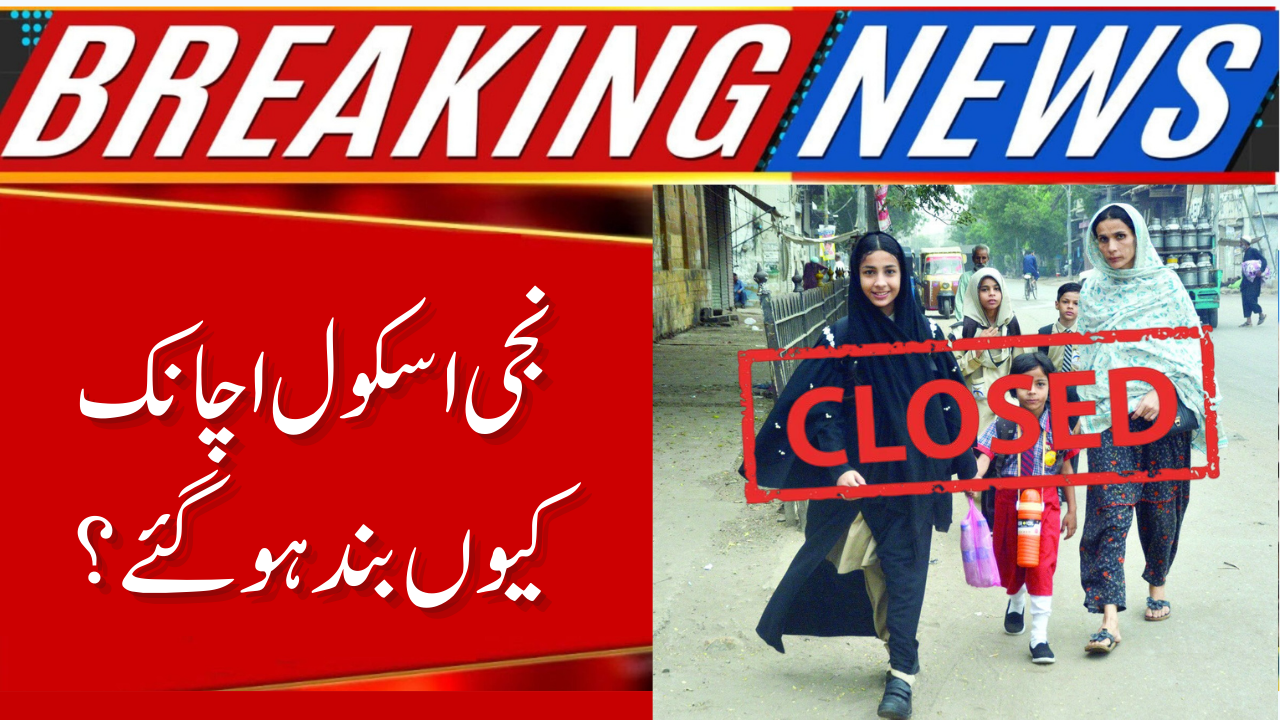
The private schools strike in Sindh has triggered a province-wide shutdown of private educational institutions, raising serious concerns among parents, teachers, and students. The decision follows growing tension between private school associations and government authorities over ongoing verification drives conducted by the Anti-Corruption Establishment.

This large-scale protest reflects deeper issues related to regulatory authority, institutional autonomy, and the psychological impact on school communities.
Why the Private Schools Strike in Sindh Was Announced
Leaders of the Grand Alliance of Private Schools Associations formally announced the private schools strike in Sindh during a press conference held at the Karachi Press Club.
According to alliance representatives, all private schools and colleges across Sindh will remain closed on Friday, January 9, as part of a coordinated protest against what they describe as unauthorized and intrusive inspection practices.
Background of the Anti-Corruption Verification Drive
The controversy stems from a December 8, 2025 ruling by the Sindh High Court, which assigned the Anti-Corruption Establishment the responsibility of verifying freeship lists submitted by regional education directors.

However, school associations argue that the scope of this ruling has been misinterpreted.
Allegations of Overreach
Alliance leaders claim that anti-corruption teams exceeded their legal mandate by:
- Conducting direct inspections inside school premises
- Questioning teachers, parents, and administrators
- Entering schools with armed personnel
They insist these actions are not only unnecessary but unlawful.
Sindh Private Institutions Act 2013 and Legal Concerns
Under the Sindh Private Institutions Act, 2013, regulatory authority over private schools lies exclusively with the Directorate of Private Institutions.

Who Is the Legal Regulator?
According to the alliance:
- Only the Directorate of Private Institutions is authorized to inspect and regulate private schools
- No other department may conduct on-site inspections without proper jurisdiction
The alliance argues that the private schools strike in Sindh is a direct response to violations of this law.
Black Day Announcement Before the Strike
As part of their protest strategy, private institutions will observe a Black Day on January 8, one day before the complete shutdown.
This symbolic action aims to:
- Highlight institutional grievances
- Draw public and government attention
- Build solidarity across districts
Psychological Impact on Students and Teachers
One of the most serious concerns raised during the private schools strike in Sindh involves the emotional and psychological well-being of school communities.
Fear and Stress Inside Campuses
Alliance representatives reported that:
- The presence of armed personnel caused fear among minor students
- Female teachers experienced psychological stress
- Parents were questioned despite submitting required documentation
Such conditions, they argue, undermine the safe learning environment schools are meant to provide.
Why Schools Say Collective Accountability Is Unfair
The alliance strongly opposed holding the entire private education sector accountable for alleged violations by a few institutions.

Key Arguments from School Associations
- Long-established schools and charitable institutions are being unfairly targeted
- Reputational damage affects public trust
- Blanket enforcement harms compliant schools
They emphasize that accountability must be individual, evidence-based, and legally sound.
Appeal to Sindh’s Provincial Leadership
During the press conference, alliance leaders urged senior government officials to intervene immediately.
Officials Called Upon
- Murad Ali Shah
- Sardar Ali Shah
They requested:
- Immediate suspension of direct school inspections
- Verification to be conducted only through the Directorate of Private Institutions
- Restoration of a lawful and respectful regulatory process
Upcoming Consultative Meetings Across Sindh
Looking beyond the strike, the alliance has announced its next phase of action.

January 6–8 Consultations
Joint consultative meetings will be held:
- Across all districts of Sindh
- With parents, school administrations, and stakeholders
- To discuss future steps and collective strategies
These meetings aim to ensure transparency and public involvement.
What the Private Schools Strike in Sindh Means for Parents
For parents, the private schools strike in Sindh presents short-term inconvenience but highlights long-term concerns about governance and educational stability.
What Parents Should Know
- The strike is temporary but symbolic
- Schools claim they are protecting institutional rights
- Dialogue is ongoing between stakeholders and authorities
Parents are encouraged to stay informed and participate in district-level consultations.
Conclusion
The private schools strike in Sindh is more than a one-day shutdown—it reflects a growing demand for lawful regulation, mutual respect, and transparent governance within the education sector.
Private school associations have made it clear that they are not opposed to accountability. Instead, they seek due process, legal boundaries, and student-safe enforcement mechanisms.
As discussions continue, the coming days will be critical in determining whether cooperation or confrontation shapes the future of private education in Sindh.